Mattress pads serve as a protective, breathable layer between the sleeper and the mattress, enhancing comfort and extending mattress life. In this category, mattresses pads are designed to address moisture control, surface softness, and temperature regulation, making them a practical addition for varied sleeping environments and preferences. Understanding the material properties helps users select appropriate levels of loft, stretch, and durability.
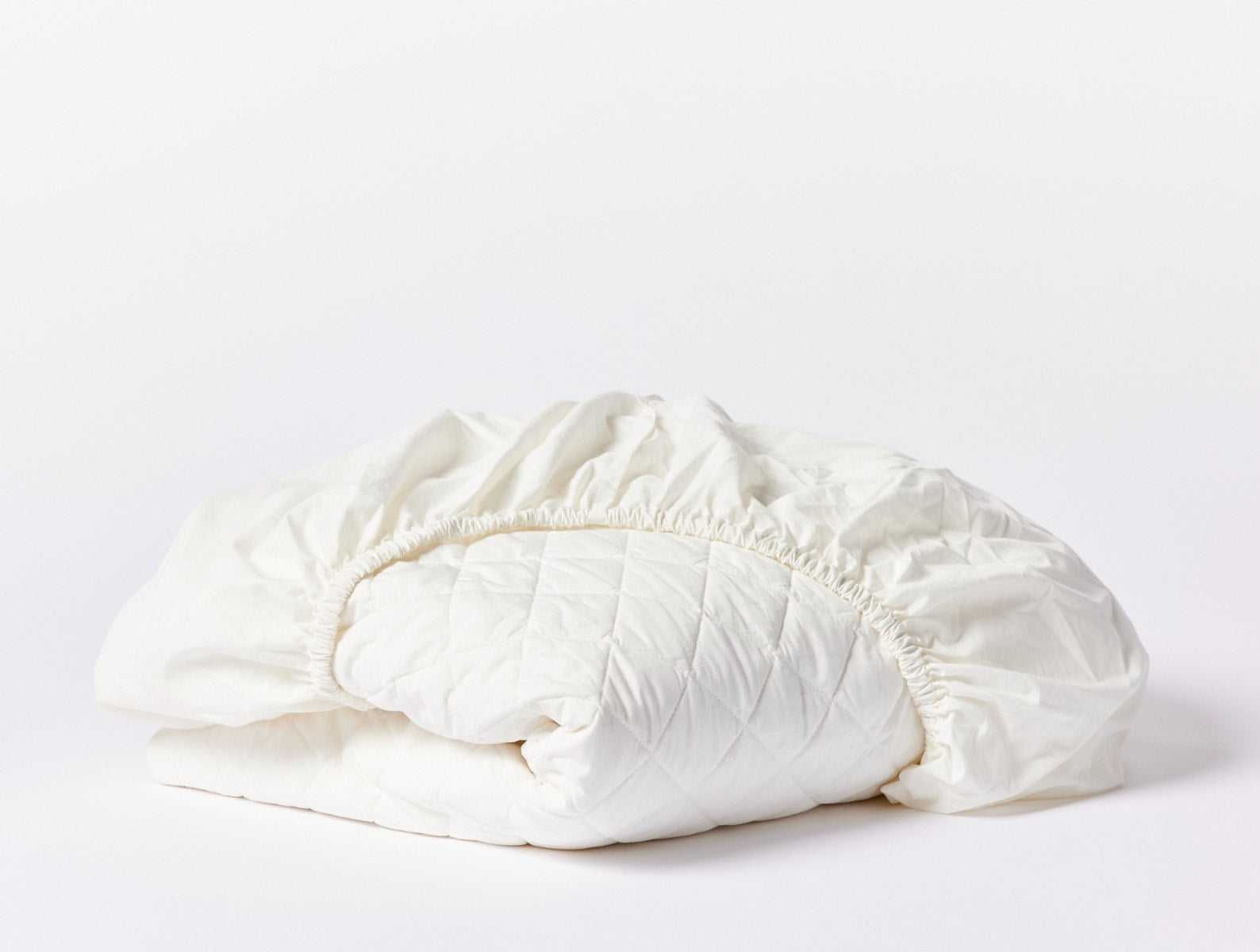
Organic cotton mattress pads emphasize natural fibers and chemical-free construction, contributing to skin-friendly bedding and reduced exposure to synthetic additives. The fabric tends to be breathable and moisture-wicking, supporting cooler, more comfortable sleep. These pads are suitable for sensitive sleepers and households prioritizing sustainable, non-toxic materials.
Key features to evaluate include fabric weave, fill type, and thickness. A quilted design can provide even distribution of padding, while fiberfill or cotton fillings influence loft and support. Water resistance or absorption capacity matters for allergy management and spill containment, making some pads versatile for everyday use and quick cleanups.
Functional benefits of the Organic Cotton Mattress Pad include enhanced surface comfort, improved airflow, and a degree of mattress protection against minor stains and allergens. The pad works with a variety of mattress constructions, from traditional innerspring to more modern foam cores, helping maintain structure and reduce wear over time.
Common considerations when selecting a mattress pad involve sizing accuracy, care requirements, and compatibility with bedding such as sheets and pillow arrangements. By focusing on organic materials and practical features, the category supports thoughtful choices for bedding systems, aligning with broader interests in organic mattresses, organic crib mattresses, and overall sleep hygiene.
 Bedding