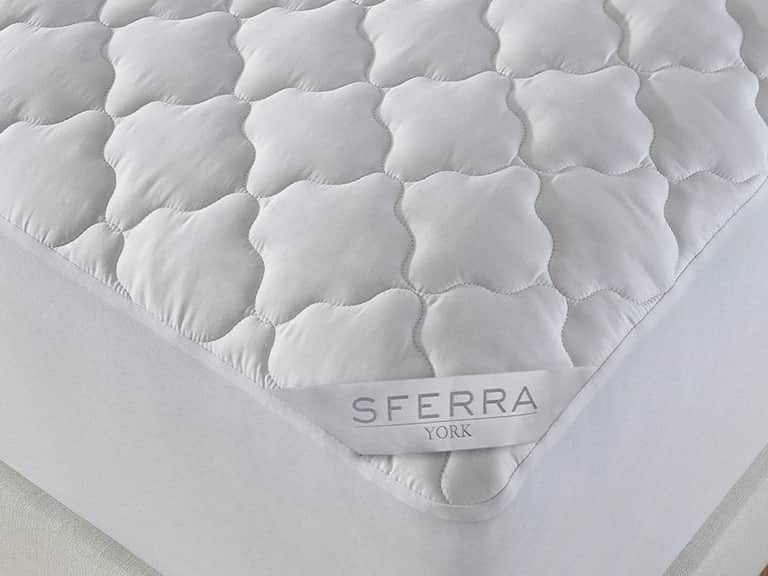
York Mattress Pad
Experience cloud-like comfort with breathable, lofted cotton fill and silky 300TC sateen. Stay cozy, wash-friendly, and non-clumping for lasting fluff and a smooth, skin-soft sleep surface.
In a world of sleep science and sustainability, finding a mattress that respects both your body and the planet can feel like a delicate dance. The right organic mattress isn’t just about soft comfort or a good night’s rest; it’s about materials you can trust, certifications that back those claims, and a longevity that makes your investment meaningful. This guide unpacks a practical approach to choosing organic mattresses, spotlighting reputable brands, certifications, and material-level nuances that influence comfort, durability, and safety.
When you begin your search for an organic mattress, two names frequently come up in conversations about quality, transparency, and long-lasting comfort: Naturepedic and Vispring. Both brands have earned recognition not just for product quality, but for their longstanding commitments to organic materials and rigorous certification standards. Understanding how they approach core materials, certifications, and overall sleep feel can help you calibrate expectations as you compare options.
Naturepedic has built its reputation on a focus toward chemical-free construction. From organic cotton covers to latex and innerspring configurations that avoid harmful flame retardants, Naturepedic emphasizes a holistic approach to sleep health. Their signature is a robust emphasis on safety and clarity—clear labeling, straightforward warranty terms, and a dedication to materials that align with allergy-conscious and toxin-averse consumers. If you’re seeking a mattress with a strong emphasis on non-toxic materials and clear eco-credentials, Naturepedic’s lineage and practices warrant close attention.
Vispring, on the other hand, brings a tradition-forward ethos to luxury sleep surfaces. Known for handcrafted comfort, Vispring often highlights natural materials such as British wool, horsehair, and natural latex, arranged in meticulous coil- and latex-based architectures. The company’s craftsmanship and use of premium natural fillings offer a different kind of tactile experience—supportive, breathable, and deeply comforting. For shoppers who value artisan construction and provenance, Vispring represents a category of premium organic and natural mattresses that prioritize performance as much as story.
Beyond brand-name recognition, the important throughline is that top organic mattress brands tend to share a commitment to certifications, supply-chain transparency, and materials that minimize exposure to potentially irritating substances. Reading each brand’s product pages with a critical eye—especially where materials, sourcing, and manufacturing practices are described—helps you gauge whether the mattress will deliver comfort without compromising health or the environment.
Certifications act as a third-party trust signal, providing a framework to evaluate whether a mattress truly lives up to its organic or natural claims. The most commonly referenced labels in the world of organic bedding include GOTS (Global Organic Textile Standard), GOLS (Global Organic Latex Standard), and broader eco-labels that reflect manufacturing ethics, chemical safety, and fiber-origin transparency. Here’s how to interpret these labels when assessing mattress pads and covers as part of an organic sleep system.
When you read a product page, map the claims to these labels. A mattress with an organic cotton cover paired with a GOTS-certified wool or latex core, for example, is signaling a multi-layer commitment to organic principles. If a brand cannot cite concrete certifications for its essential components, that’s a red flag to investigate further. Certifications aren’t a guaranteed passport to perfection, but they do offer a defensible benchmark for health-conscious shoppers.
In practical terms, certifications guide you toward products that minimize chemical exposure, support ecological fiber choices, and favor transparent supply chains. For families with sensitivities or individuals pursuing a low-tox environment, certification literacy is a non-negotiable part of the buying process.
Understanding the materials inside an organic mattress helps you predict temperature regulation, durability, and allergen considerations. Here’s a concise guide to the most common organic options you’ll encounter, with a focus on how they influence your sleep experience.
Each material set has trade-offs. Organic cotton and wool fibers often bring cooler, more breathable configurations, while natural latex can deliver long-lasting, buoyant support. For sleepers who are sensitive to warmth or those who experience night sweats, focusing on breathable fabrics and moisture-wicking components becomes critical. If temperature regulation is a top priority, consider a mattress with a latex core paired with wool or organic cotton layers and a breathable cover that allows steady air exchange across the night.
Durability is another essential dimension. High-quality organic materials are designed to resist sagging and maintain supportive feel over many years. Latex cores, particularly when paired with well-chosen covers and battings, tend to present strong longevity. Wool fillings can condense or compress over time but often reinvigorate with seasonal fluffing or professional care. The key is to balance comfort preferences with an informed expectation of how layers break in over time.
Putting theory into practice means translating certifications and materials into real-world comfort. Here’s a practical framework to compare top options when you’re standing in a showroom or browsing online:
To illustrate, imagine a scenario in which you’re evaluating two premium organic mattresses. One claims a GOLS-certified natural latex core with a GOTS-certified organic cotton cover and a wool loft layer, while the other uses a certified organic cotton cover with a latex-foam blend and a hemp-based performance layer. In practice, you’d compare how each mattress feels when lying on your back and side, observe any heat buildup, and consider how the edge support performs when you sit on the side of the bed. The comparison isn’t just about which one looks the most luxurious—it’s about how the materials work together to create a restorative, lasting sleep surface.
Buying an organic mattress is a meaningful investment in your sleep health and domestic sustainability. Here are pragmatic tips to help you navigate the process with clarity and confidence.
If you’re seeking a concrete product example that aligns with the organic, high-quality ethos discussed here, consider the York Mattress Pad. It’s a luxury down-alternative pad that emphasizes breathable cotton fill and a 300-thread-count cotton sateen shell, designed to complement an organic sleep system while providing an elegant, non-clumping loft. While not a mattress itself, the York Mattress Pad demonstrates how well-constructed, organic-friendly components can elevate a sleep environment without sacrificing the safety and purity you value in an organic purchase.
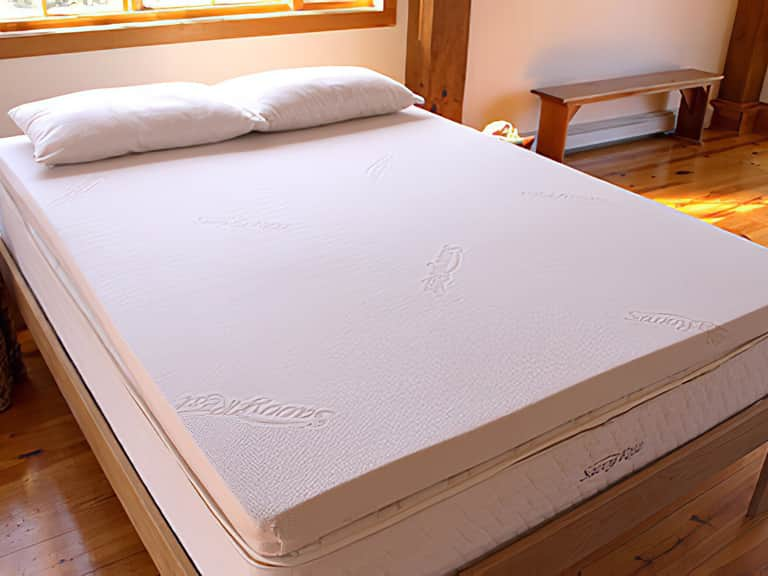
For shoppers exploring latex-based organic upgrades, Savvy Rest Vitality Latex Mattress Topper offers a three-inch layer of natural Talalay latex encased in certified organic cotton. This topper can transform a firmer organic mattress into a more plush, responsive surface while preserving the overall organic integrity of the bed system. If you prefer a softer, cushiony feel that stays true to organic principles, this topper is a compelling option to consider as part of a broader organic sleep plan.
In sum, an organic mattress is more than a single material; it’s an ecosystem of responsibly sourced components, transparent certifications, and thoughtful construction. The right brand will empower you to sleep with confidence, knowing that every layer—from the cover to the core—has been chosen with your health and the planet’s well-being in mind.
While shopping, you may encounter items designed to support an organic sleep system. Here are two real-world products that align with the guide’s philosophy, featuring clear material claims and credible certifications without resorting to fluff.
These examples illustrate how organic principles can be woven into practical sleep enhancements. The York Pad emphasizes comfort and care in a pure textile form, while the Savvy Rest topper demonstrates how a natural core can complement other organic layers to achieve a tailored feel.
Choosing an organic mattress is ultimately about aligning your sleep needs with materials you trust, manufacturers who honor transparency, and certifications that validate your choices. It’s a decision that resonates beyond a single night’s rest—affecting daily energy, overall well-being, and a broader commitment to the environment. By prioritizing brands with clear certifications, understanding the material implications for temperature and durability, and using practical buying criteria, you can embark on a confident path to a healthier, more restorative sleep landscape.
As you explore, remember that the right organic mattress is not merely a product but a promise: to your health, your home, and the planet. Each layer you trust—cotton covers, natural latex cores, wool battings—represents a stake in a future where rest is both luxurious and responsible. Happy shopping, and may your nights be as luminous as the mornings that follow.
Note: This article references widely recognized organic materials and certifications relevant to organic mattress selection. It is intended to provide practical guidance for consumers seeking transparent, credible options in the organic sleep market.